There's a category of game that's famous for being punishing. These aren't just "hard" in the sense of needing skill — they're designed to test patience, persistence, and the willingness to fail repeatedly before succeeding. The players who finish them treat it as an achievement worth mentioning. Here's why they exist and which ones earned their reputations.
1. Dark Souls (2011)
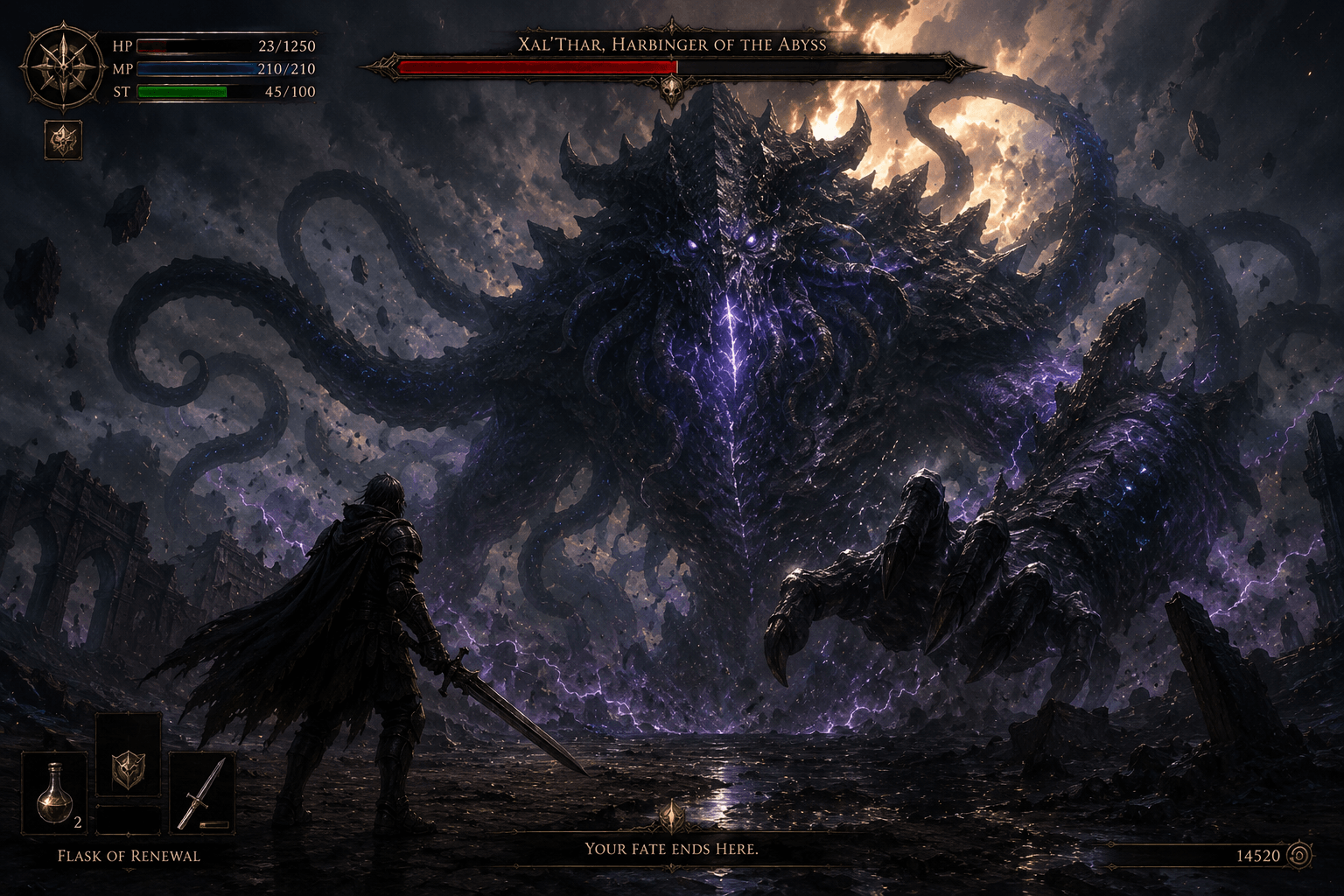
The game that turned "it's brutally difficult but fair" into a genre descriptor. Dark Souls kills you constantly in your first hours. Every new area has enemies that can kill you quickly if you're not paying attention. Bosses require learning patterns. The penalty for death — losing your accumulated currency and having to retrieve it or lose it — creates real stakes.
What makes it work: the difficulty is entirely consistent. The game doesn't cheat. Every death is explicable. Mastery feels genuine because it's earned through actual learning rather than luck. The community around it is one of the most helpful in gaming, which is ironic given what they're helping each other through.
2. Sekiro: Shadows Die Twice (2019)
From Software's take on feudal Japan. Most players consider it harder than any of the Souls games because the mechanics demand precision timing in a way that patience and grinding can't compensate for. You can't level your way out of a problem in Sekiro. You have to learn. The moment combat clicks — when you're deflecting attacks rhythmically and the game feels like a musical performance — is one of the most satisfying experiences in gaming.
3. Cuphead (2017)
A 1930s cartoon-style run-and-gun game with boss fights that kill you immediately and repeatedly until you learn every attack pattern. The art is stunning; the difficulty is savage. Every boss has multiple phases, each with new patterns. Players often spend an hour or more on a single boss before defeating it. The satisfaction when you finally do is enormous and immediate.
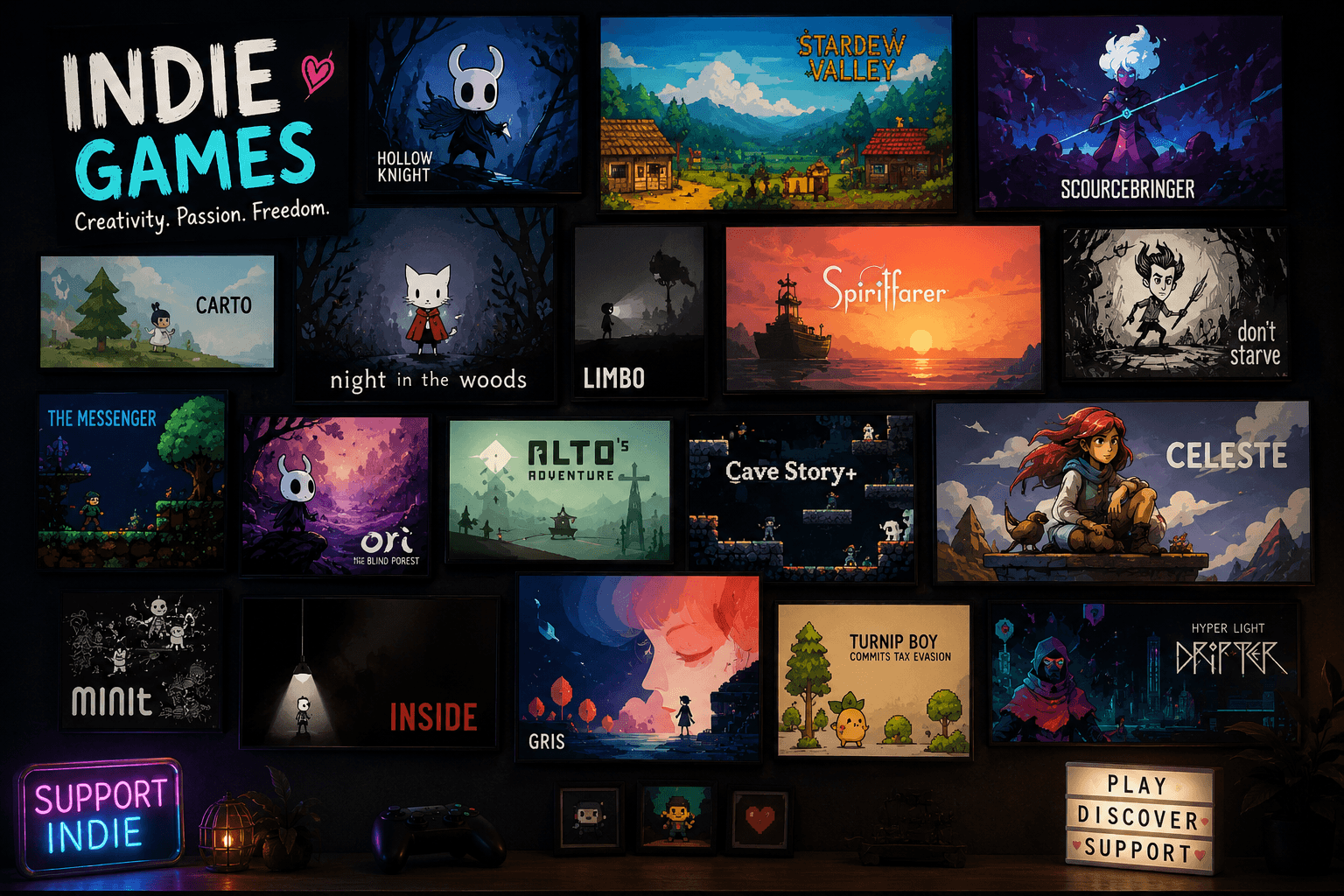
4. Celeste (2018)
A precision platformer where every room is a puzzle of movement. Hundreds of rooms. Thousands of deaths. The game tracks your death count and displays it at the end as a badge of persistence. The B-side and C-side levels are significantly harder than the main game and exist specifically for players who found the main game too easy, which is a sentence that says a lot about the game's difficulty range.
5. XCOM 2
A turn-based strategy game where the stakes are permanent. Characters die permanently on higher difficulties — there's no resurrection, no retry. A campaign that's been running for twenty hours can be effectively ended by one bad mission. The emotional attachment to customized soldiers who've survived dozens of missions makes losing them genuinely feel like a loss.
6. Ghosts 'n Goblins (1985)
Old enough to play on arcade machines, still notorious for being merciless. You have two hits before you die. The enemies are relentless. The controls are stiff in a way that feels intentional. And when you finally reach the end, the game tells you it was all a dream and makes you do it again on higher difficulty to see the real ending. In 1985, this was accepted. It's still remembered specifically for how cruel it is.
7. Battletoads (1991)
The speeder bike level in Battletoads is one of the most infamous sequences in gaming history. It requires frame-perfect reactions at escalating speeds and has ended friendships in co-op. The game is extremely difficult throughout, but that one level has a special place in gaming's collective memory as a symbol of NES-era brutality.
8. I Wanna Be the Guy (2007)
A free indie game designed explicitly to be as hard as possible in the most arbitrary ways. Spikes and traps appear from directions that defy prediction. The game is unfair intentionally and makes no apologies for it. It exists as a counterpoint to the "difficult but fair" tradition — a pure exercise in frustration that became famous precisely because of how aggressively it punishes players.
9. Elden Ring (2022)
The most recent entry in From Software's tradition and the most successful, having introduced the Souls formula to a much wider audience through an open world. The early areas are manageable; the late game escalates to a degree that produces extended periods where players try the same boss dozens of times. Malenia, a late-game optional boss, has been described by community members as the hardest boss in any From Software game. She's optional. Millions of people fought her anyway.
10. Hollow Knight (2017)
A metroidvania with Souls-like death mechanics (you lose your currency on death and have to retrieve it) in a vast underground world. The base game is difficult; the paid DLC boss rush mode, Godhome, is described by the community as one of the hardest challenges in any game in the genre. Completing everything in Hollow Knight is a project that takes most players well over 40 hours.
What These Games Have in Common
None of them are difficult in arbitrary ways. They're all difficult in ways that can be learned. The difficulty creates a barrier that separates players who've put in the time from players who haven't, and crossing that barrier produces genuine satisfaction. Players who finish any of these games remember it. That's the point.